A person suddenly collapses.
For a few seconds, everyone around them may freeze.
What should we do?
Who should we call?
Can we help?
In that moment, knowing CPR can make the difference between simply watching and being able to respond.
This belief lies at the heart of RehabNation Healthcare Foundation of India’s vision:
To train every hand in CPR.
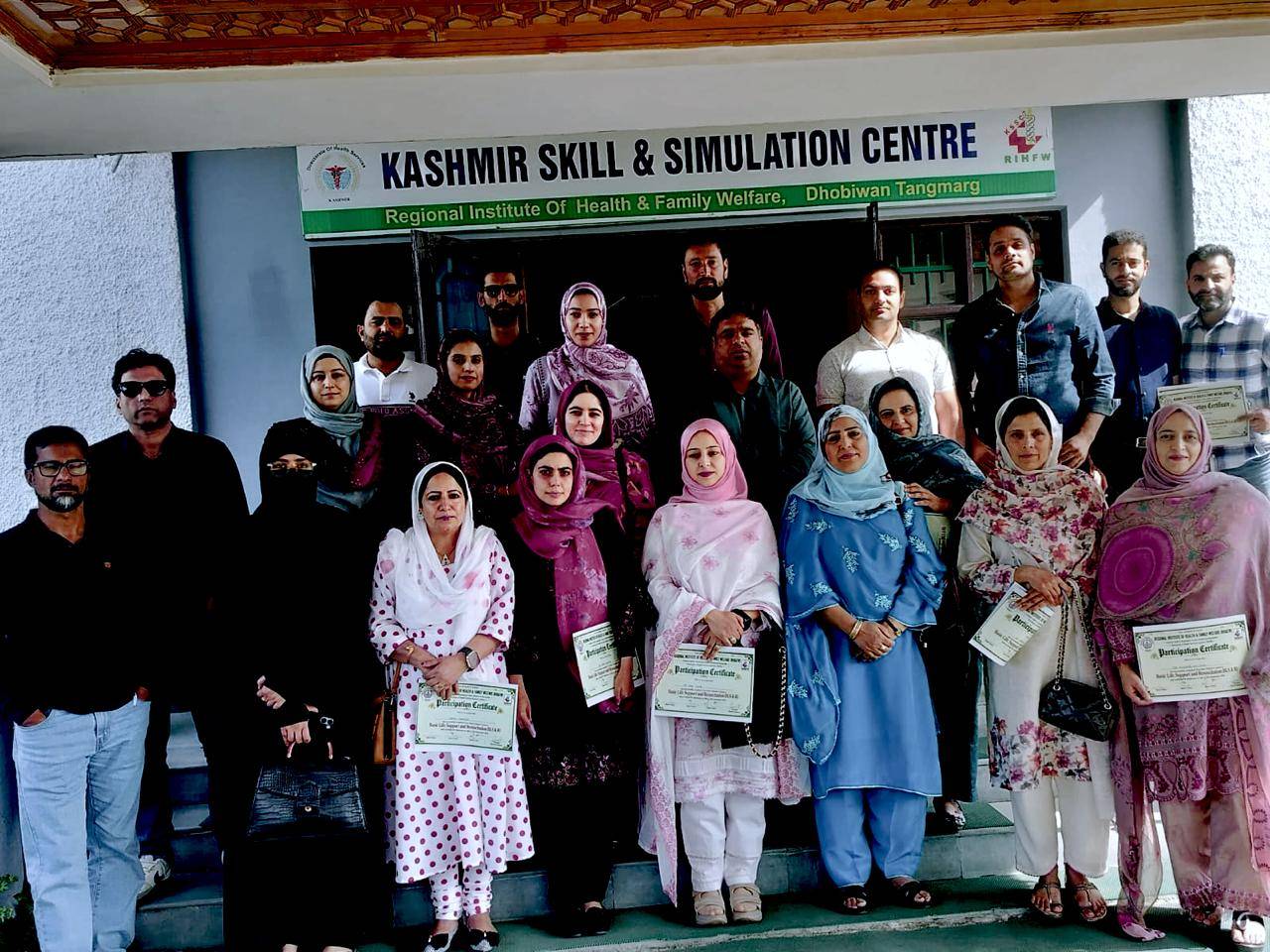
On 24 and 25 September 2026, RehabNation was part of the Basic Life Support (BLS) Training of Trainers programme held at RIHFW, Dhobiwan, in collaboration with the Directorate of Health Services, Kashmir.
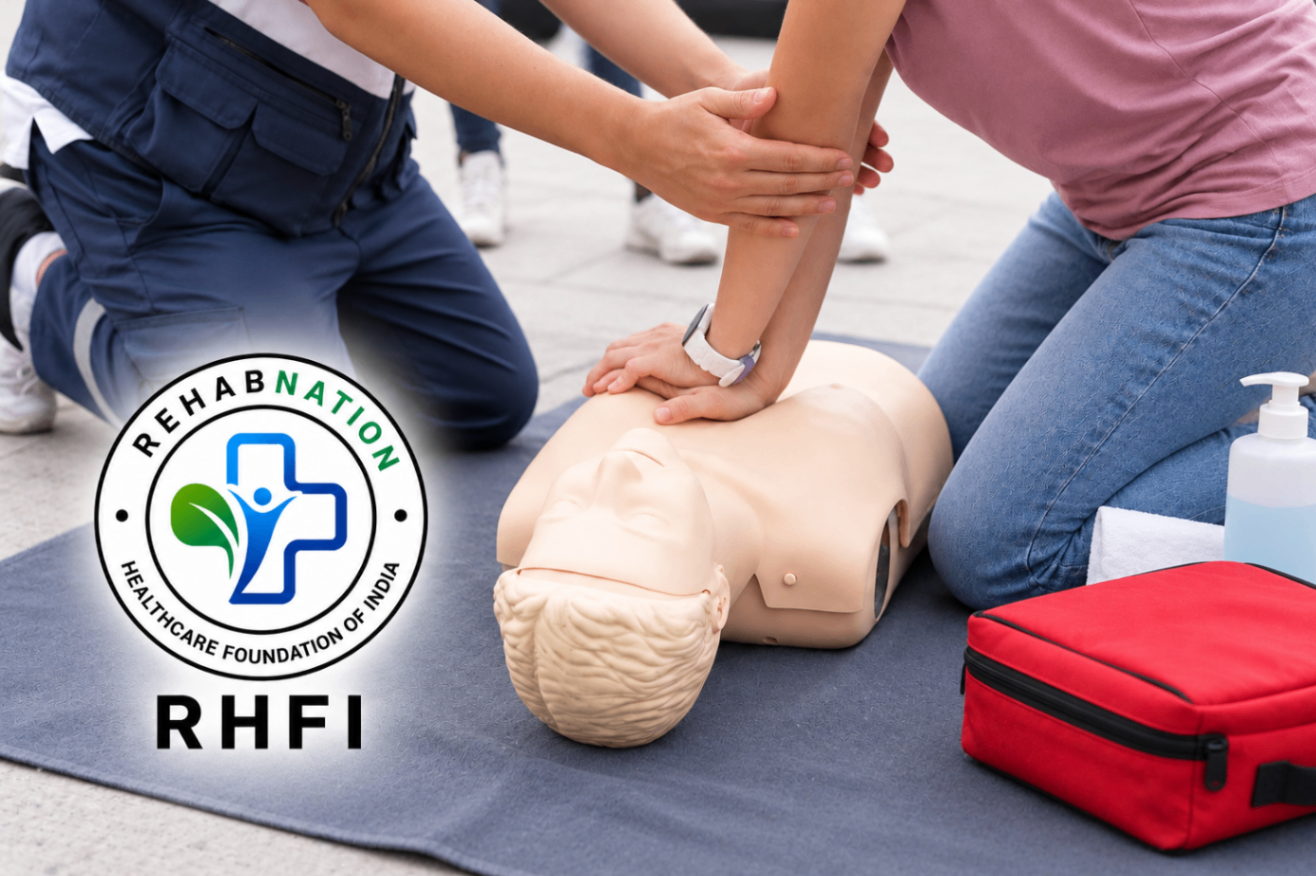
While BLS covers a range of emergency-response skills, CPR remains at its heart.
CPR: A Skill Everyone Should Know
Cardiac emergencies do not announce themselves.
They can happen at home, at work, in a classroom, on a sports field or in a public place.
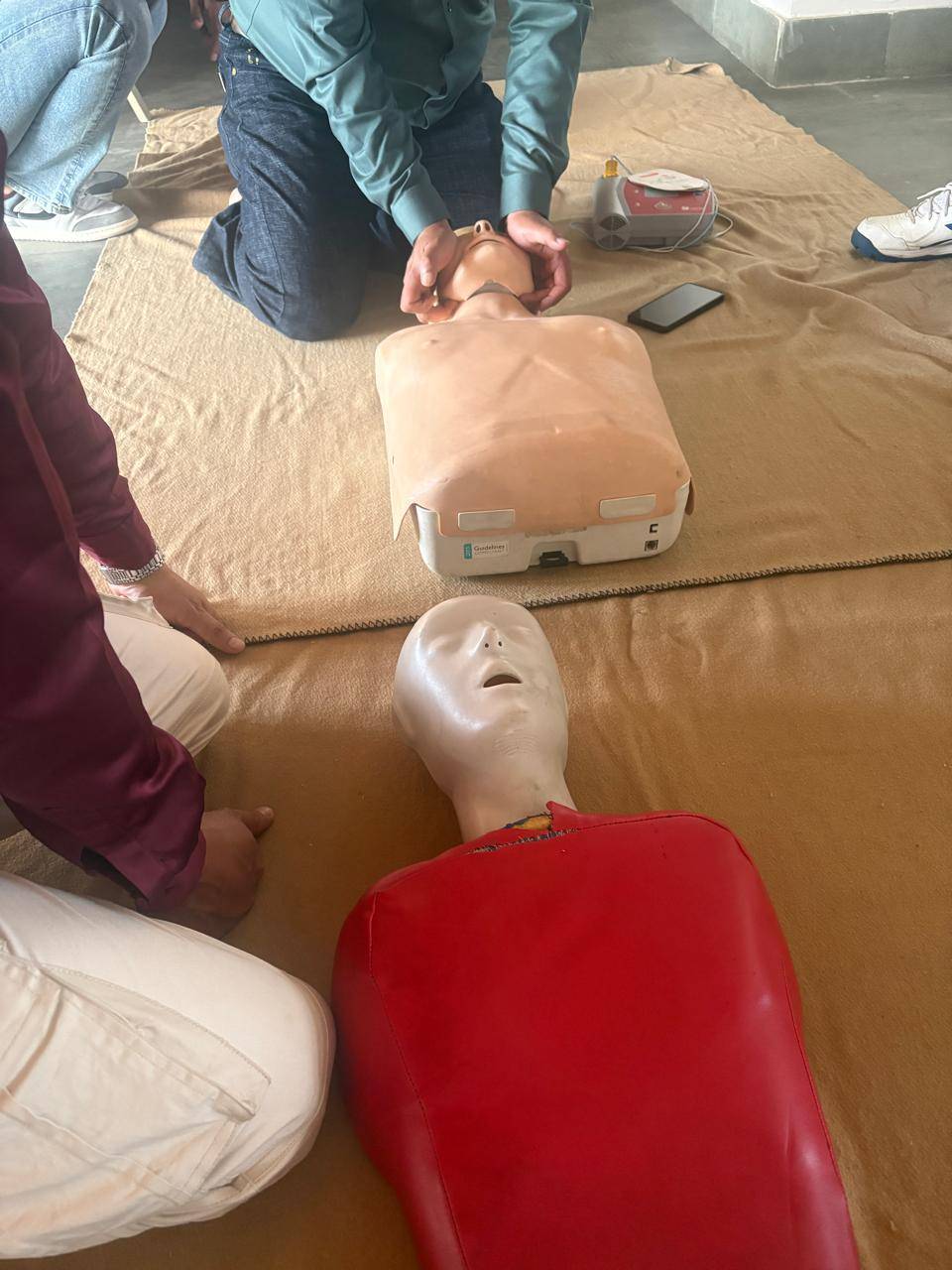
When a person suffers cardiac arrest, the first few minutes are critical. Professional medical help may take time to arrive.
That is where a trained bystander can become the first link in the chain of survival.
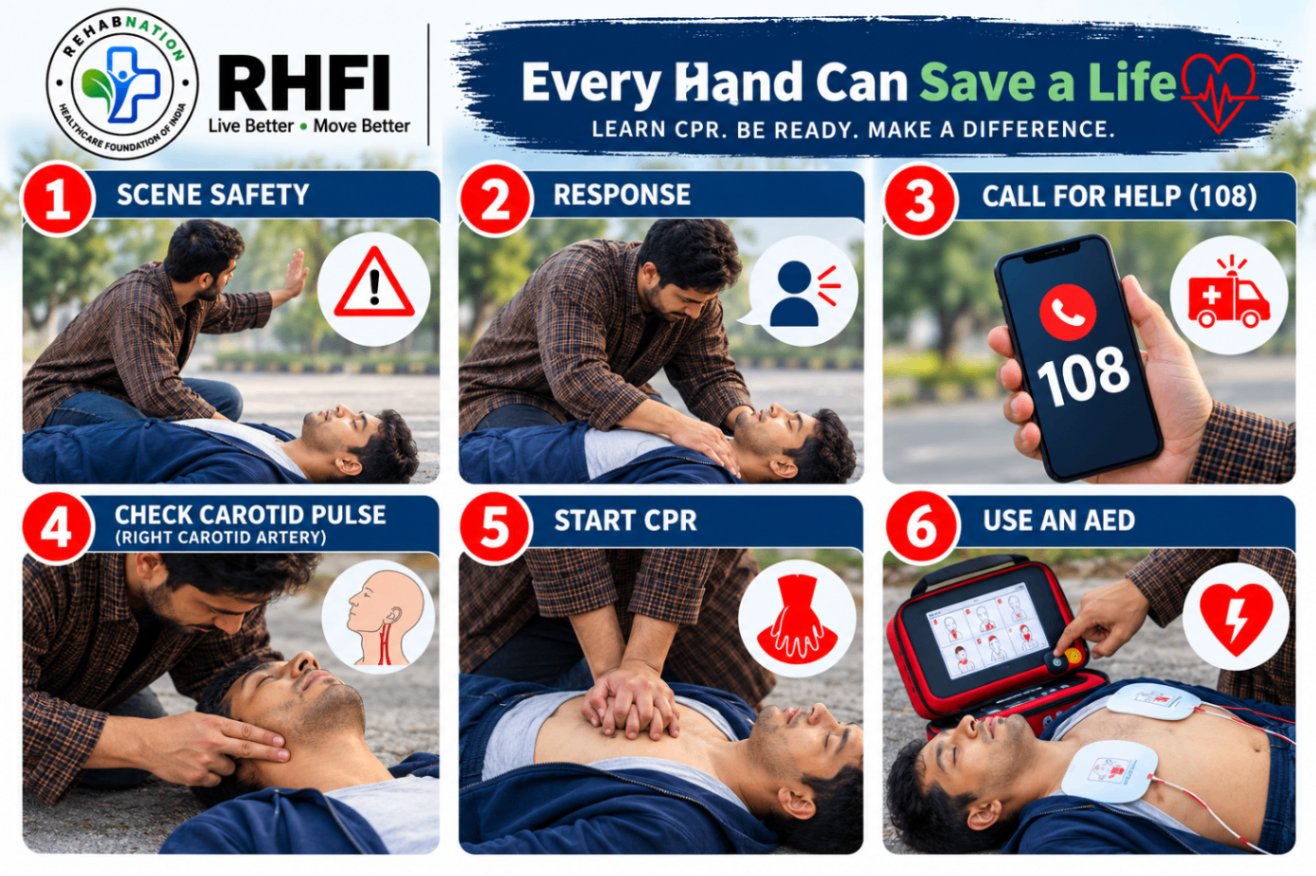
Recognising cardiac arrest. Calling for emergency help. Starting CPR. Continuing until help takes over.
These are simple steps—but knowing them, practising them and having the confidence to act can be incredibly important.
CPR should not be seen as a skill reserved for doctors and nurses.
Every parent should have the opportunity to learn it.
Every teacher.
Every student.
Every volunteer.
Every workplace.
Every community.
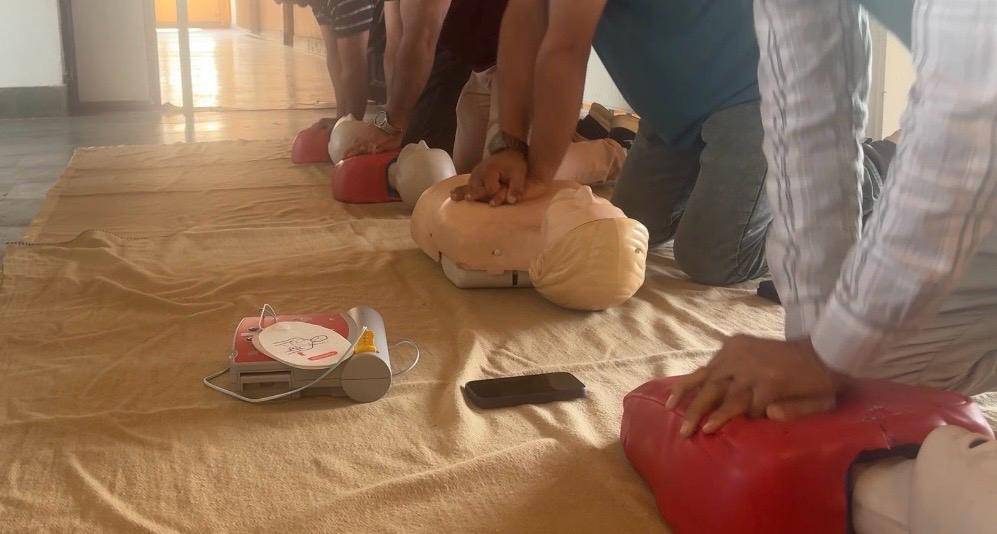
Because we never know when someone close to us may need it.
BLS Is Bigger Than CPR
The BLS training at Dhobiwan also highlighted the importance of responding to other emergencies.
Participants were introduced to immediate care and first-response approaches for situations such as severe bleeding, fractures and stabilisation, burns, fire-related emergencies, drowning, snake bites and other emergencies.
These skills complement CPR by building a broader culture of emergency preparedness.
But the message remains simple:
When something goes wrong, know how to respond.
From Two Days of Training to a Community Movement
The Training of Trainers model makes the programme even more meaningful. The purpose is not simply to train a group of people for two days. It is to create people who can take the knowledge forward. One trained person can teach ten. Ten can teach a hundred. A hundred can take those skills into schools, workplaces, communities and families.
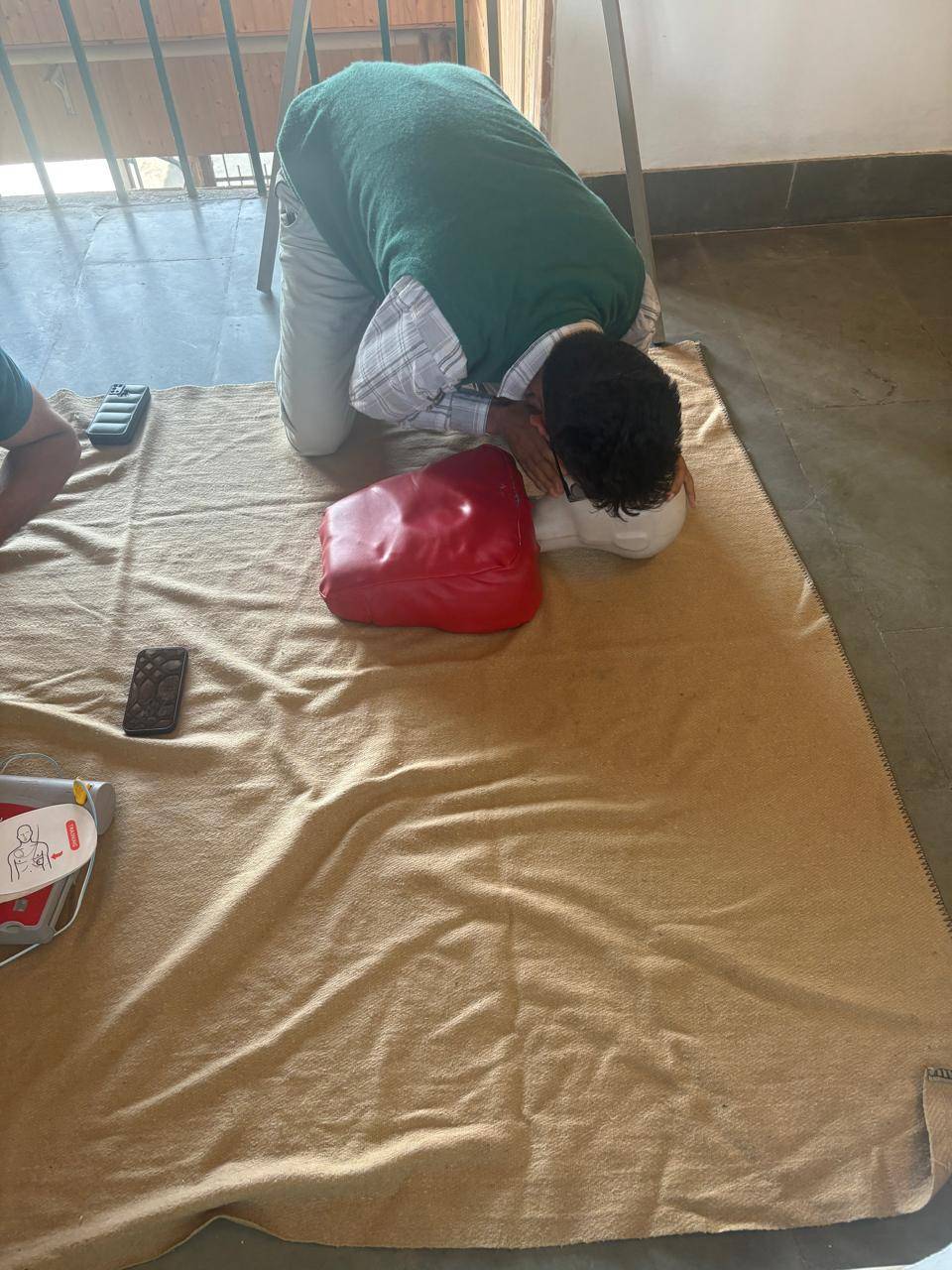
That is how a culture of CPR awareness can grow.
Imagine a CPR-Ready Jammu & Kashmir
Imagine a teacher who knows CPR when a student collapses. A coach who knows what to do when an athlete suffers a cardiac emergency. A parent who has learned CPR before it is ever needed. A colleague who steps forward instead of standing helplessly. A young volunteer who knows how to recognise an emergency and call for help.
This is the kind of community RehabNation hopes to contribute towards.
Not a community where emergencies never happen—but a community where more people are prepared when they do.
The Real Meaning of “Every Hand”
Our hands can comfort.
Our hands can help.
And with the right training, our hands can perform CPR.
The BLS Training of Trainers at Dhobiwan was one more step towards making life-saving knowledge accessible beyond healthcare settings.
For RehabNation, the goal is much bigger than conducting individual training programmes. It is about creating a movement where CPR becomes a basic life skill—something people learn, practise and pass on.
Because when someone's heart stops, the person standing beside them should not have to feel helpless.
They should know:
Call for help.
Start CPR.
Keep going.
Every hand can learn CPR.
Every hand can be ready.
Every hand can help save a life.
RehabNation Healthcare Foundation of India
Live Better • Move Better