"Hami Ast-o": Reimagining Paradise for Everyone
"Agar firdous bar ro-e-zameen ast,
Hami ast-o, hami ast-o, hami ast."
(If there is a paradise on earth, it is this, it is this, it is this.)
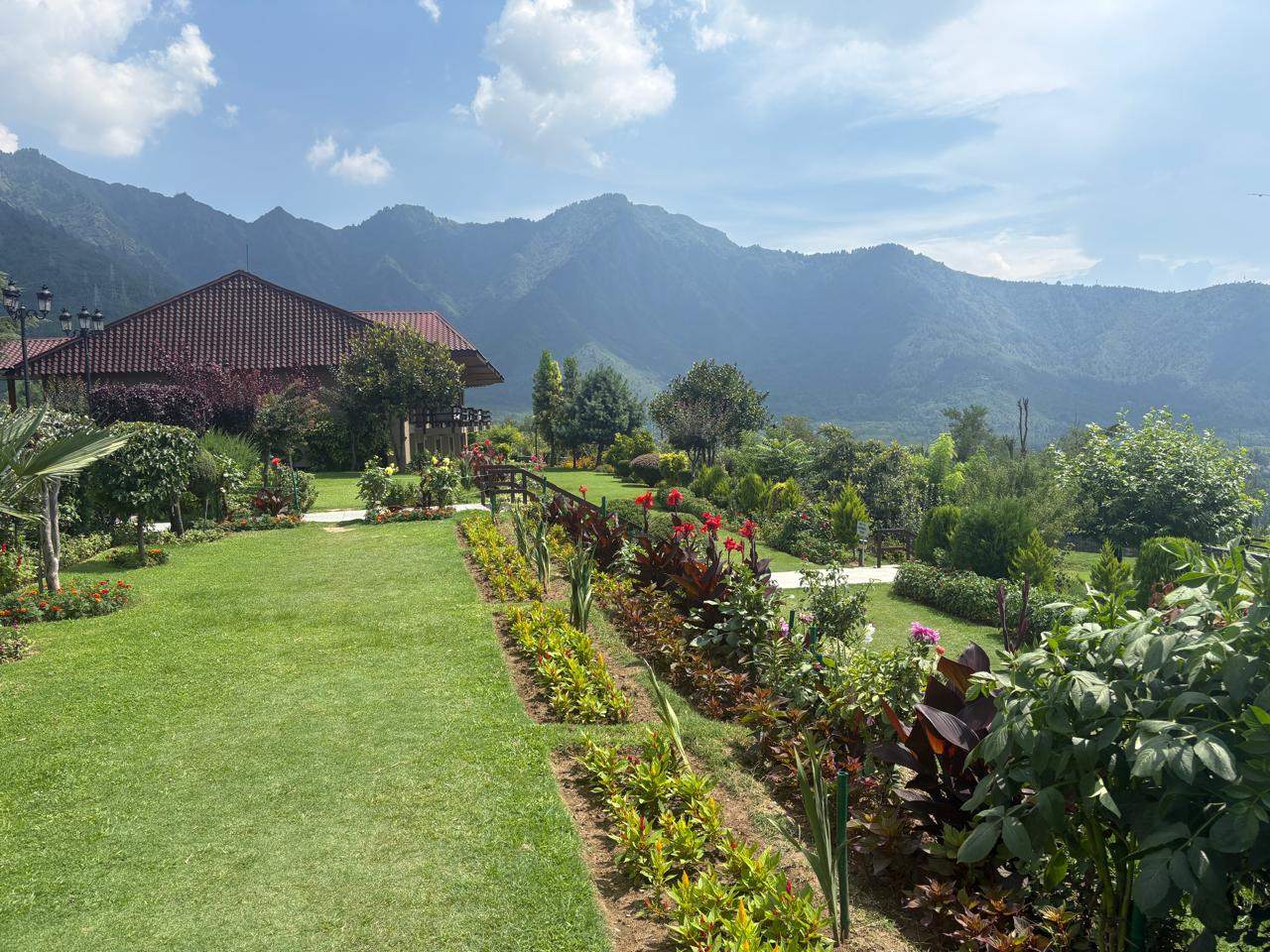
There is a valley where mountains touch the sky like ancient guardians, holding court over a world carved out of snow and light.
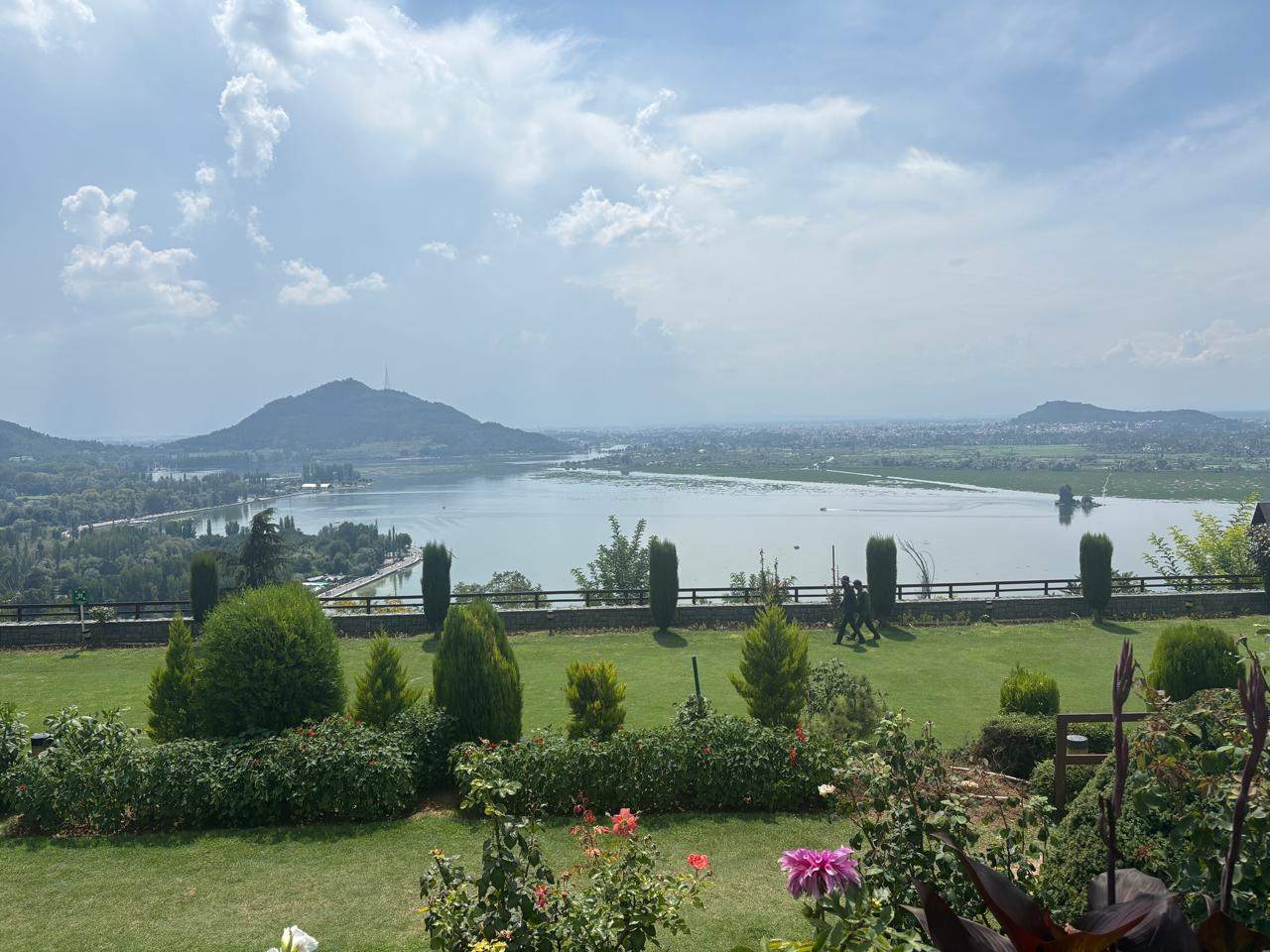
In the heart of winter, snow does not merely fall; it arrives as a hushed grace. It wraps tall pines in heavy white velvet, rounding every sharp edge of the earth until the valley becomes a gleaming sanctuary of frost and silence. When spring stirs, earth-springs break free from stone, gushing with fierce, crystalline clarity—glaciers melting into silver threads that pulse through green meadows and wake the sleeping soil. From the mirror-still glass of Dal Lake reflecting an indigo sunset to the warmth of a shared cup of kahwa, Kashmir is a dream written in nature’s own hand.
For millions, Kashmir lives in quiet imagination. But for a traveller with a disability or mobility limitations, that dream carries a quiet, aching question before the journey even begins:
“Will Paradise have a gate I cannot open?”
The Unseen Wall
Imagine carrying the dream of the valley for years. You study the photographs. You hear the stories of warmth and hospitality. You finally arrive—the cool mountain air hitting your face, your heart soaring—only to stop dead at the threshold.
A steep, unyielding flight of stone steps leads to your hotel entrance.
A towering staircase blocks the only path to the mountain viewpoint.
A vehicle arrives, but your wheelchair cannot fit inside.
An aging parent sits at the bottom of a hill, watching their family walk ahead, smiling so no one feels guilty for leaving them behind.
Paradise, in all its wild, snowy, blooming majesty, becomes heavy when you are forced to stand outside its edges.
These are not technical glitches or minor inconveniences. They are invisible walls. And they whisper a quiet, devastating message to the traveller standing before them: This space was not built for you.
Beyond Ramps: The Human Meaning of Belonging
We often reduce accessibility to numbers—centimeters of door clearance, slopes of concrete, or specialized restrooms. But accessibility has very little to do with architecture and everything to do with human dignity.
It is about arriving not as a problem to be solved, or an inconvenience to be carried, but simply as a guest.
Accessibility is not charity. A ramp is not generosity. An accessible entrance is not a special favour. They are simply the foundations of genuine hospitality.
When a space is built for everyone, the friction of the world disappears. A wheelchair user rolls to the edge of the lake unassisted. A mother with a heavy stroller walks smoothly beside her child. An elderly traveller with tired joints enters the room without asking for help.
True access grants the greatest gift travel can offer: the unburdened freedom to simply exist in a beautiful place.
Setting an Example for the Nation
Jammu & Kashmir has an unprecedented opportunity to pioneer a fully accessible, barrier-free tourism ecosystem. By doing so, J&K can set an example as far as accessible tourism is concerned and lead the whole country.
If a mountain region with complex terrain, historic heritage, and winter snowscapes can achieve universal accessibility, it proves to all of India that geography is never an obstacle when human empathy leads the way.
To build a Kashmir without barriers, those who live with these barriers must be invited to draw the blueprints from day one:
Honest Truths Online: Giving travellers clear, verified information about doorways, steps, and paths before they buy a ticket.
Seamless Movement: Creating accessible transit from airport cabs to shikara landings, so the journey never breaks midway.
Universal Design: Building new spaces that welcome every human body naturally, without needing special arrangements or apologies.
Empathetic Hearts: Training hospitality teams to offer assistance rooted in respect, not pity.
A Vision of What Could Be
Imagine a family arriving in Srinagar.
An accessible van takes them safely from the airport. They reach their hotel, and the grandmother—who uses a wheelchair—rolls independently into the warm, lit lobby beside her grandchildren.
Later, as evening falls, they move down a smooth, step-free pathway to the edge of Dal Lake. They sit together, watching the golden light fade behind the mountains, laughing as hot tea brews beside them.
Nobody has to apologize. Nobody has to carry anyone over a ledge. Nobody feels like an exception.
She is simply a traveller, at peace in paradise.
When we remove physical barriers, we don't just fix a building—we unlock human joy. Kashmir already possesses the landscapes that draw the world and the culture that makes people long to return. Now, it has the opportunity to make that beauty belong to everyone.
Only when the snow falls for every traveller, and the springs flow for every pair of eyes that longs to see them, does the ancient verse find its true, sacred meaning:
Paradise isn't just a place on earth. It is a place where no one is left standing outside.
RehabNation Healthcare Foundation of India
Live Better • Move Better
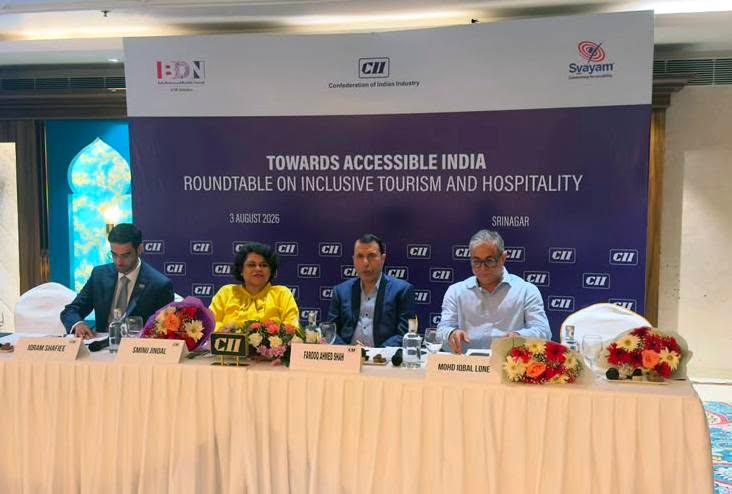
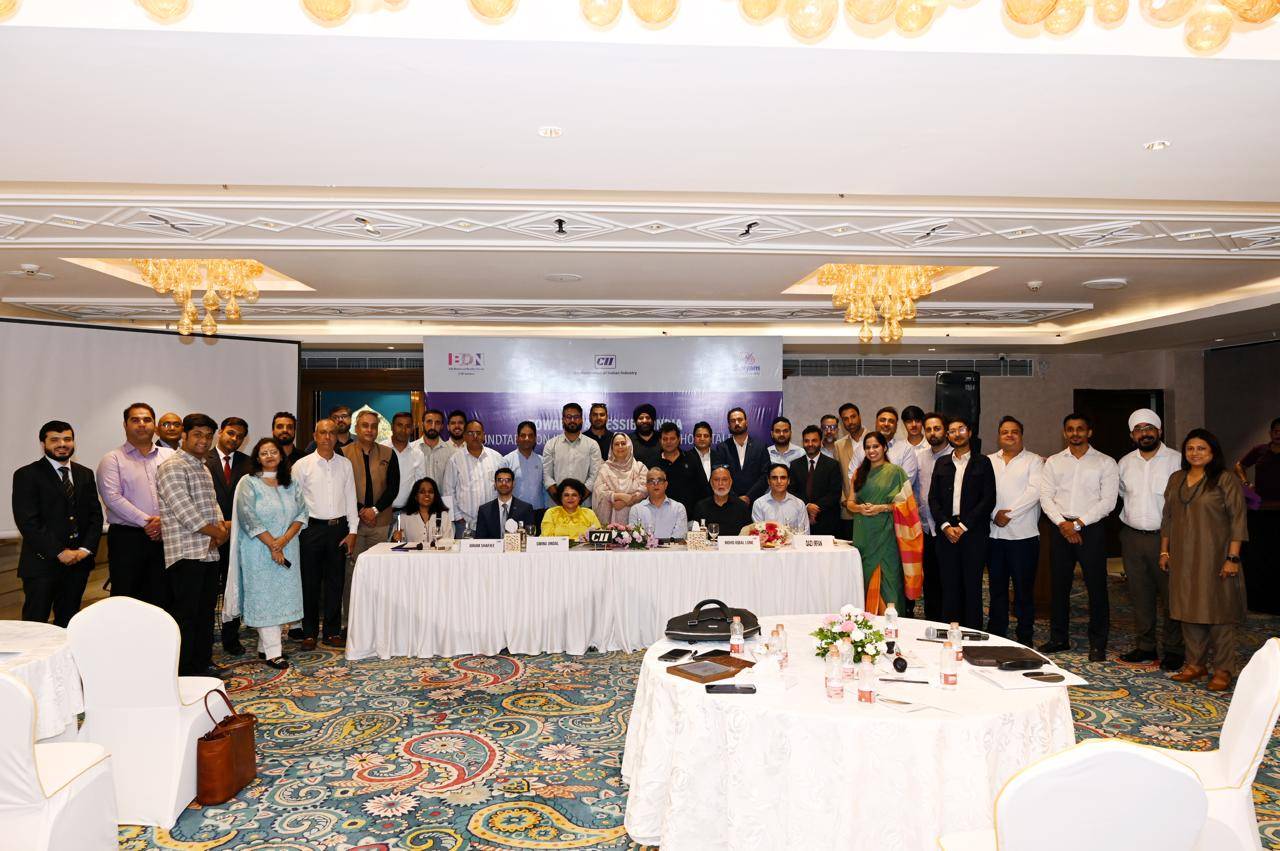
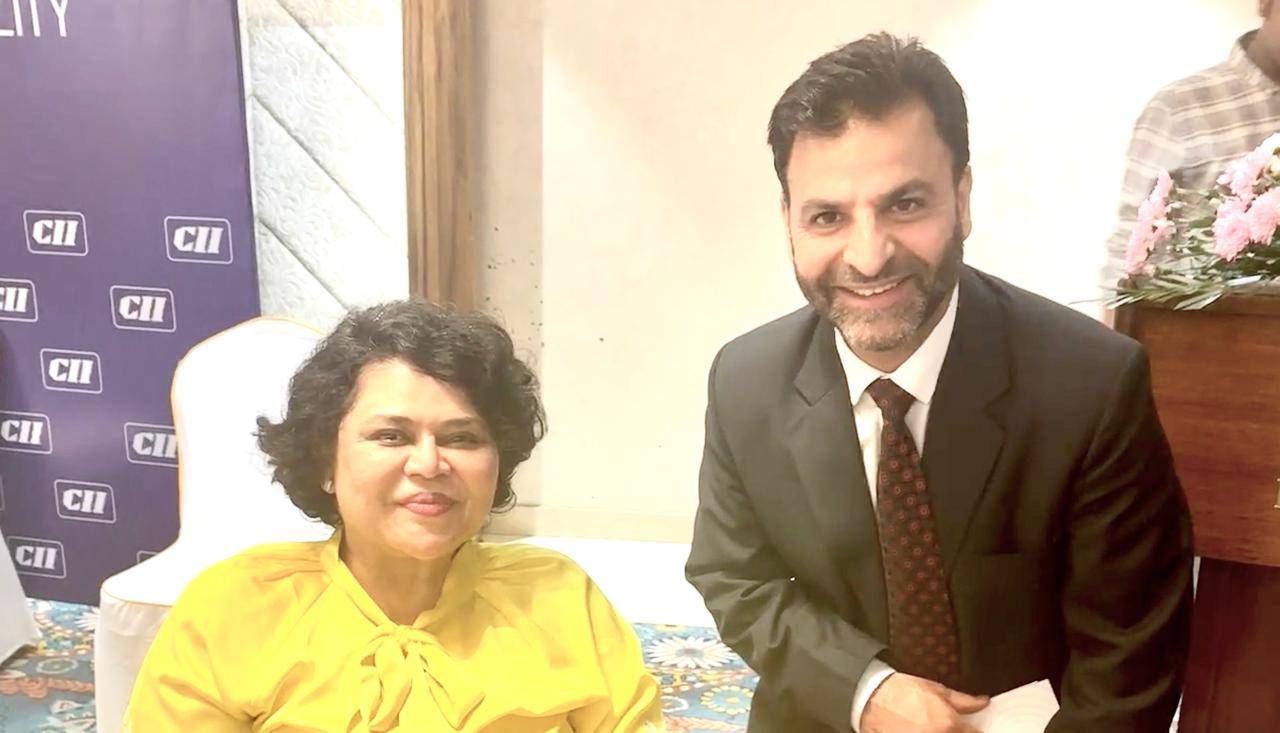
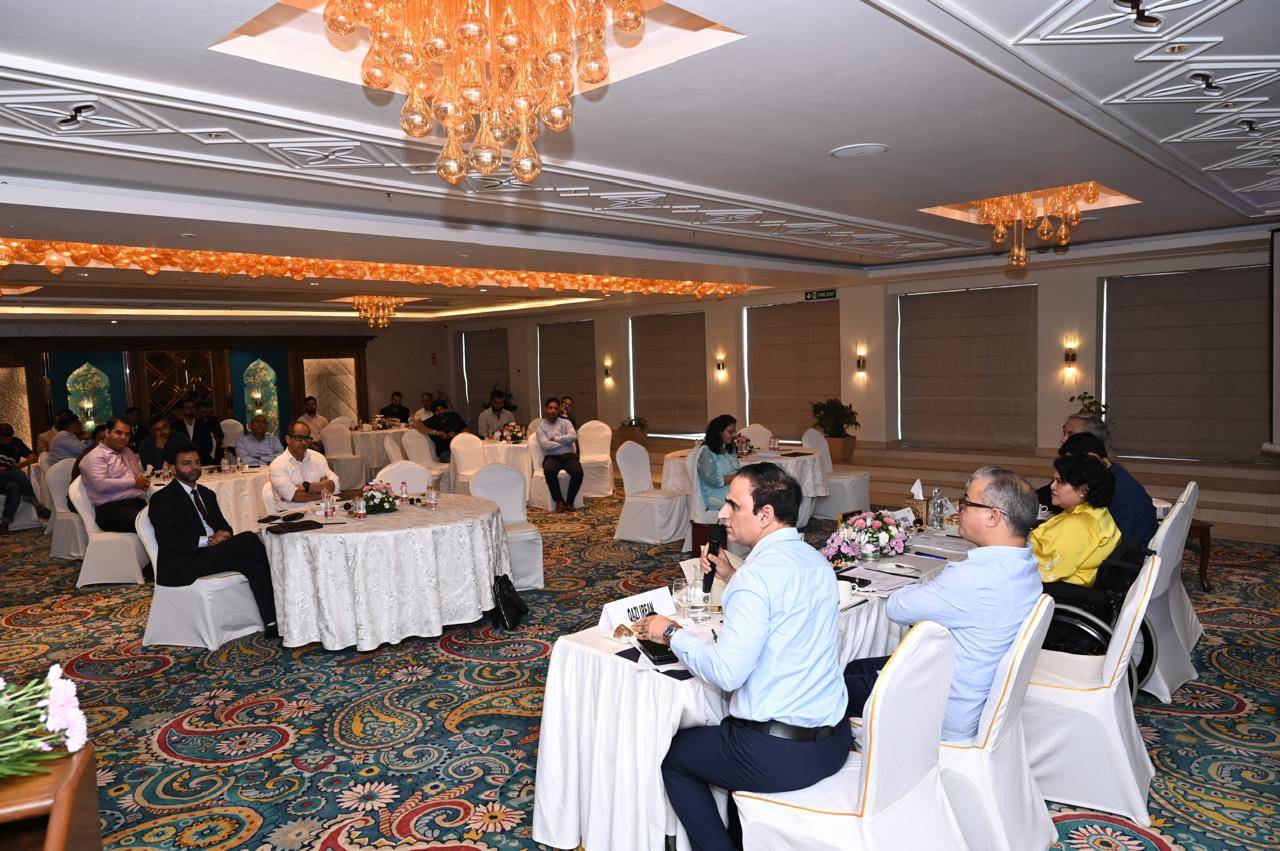
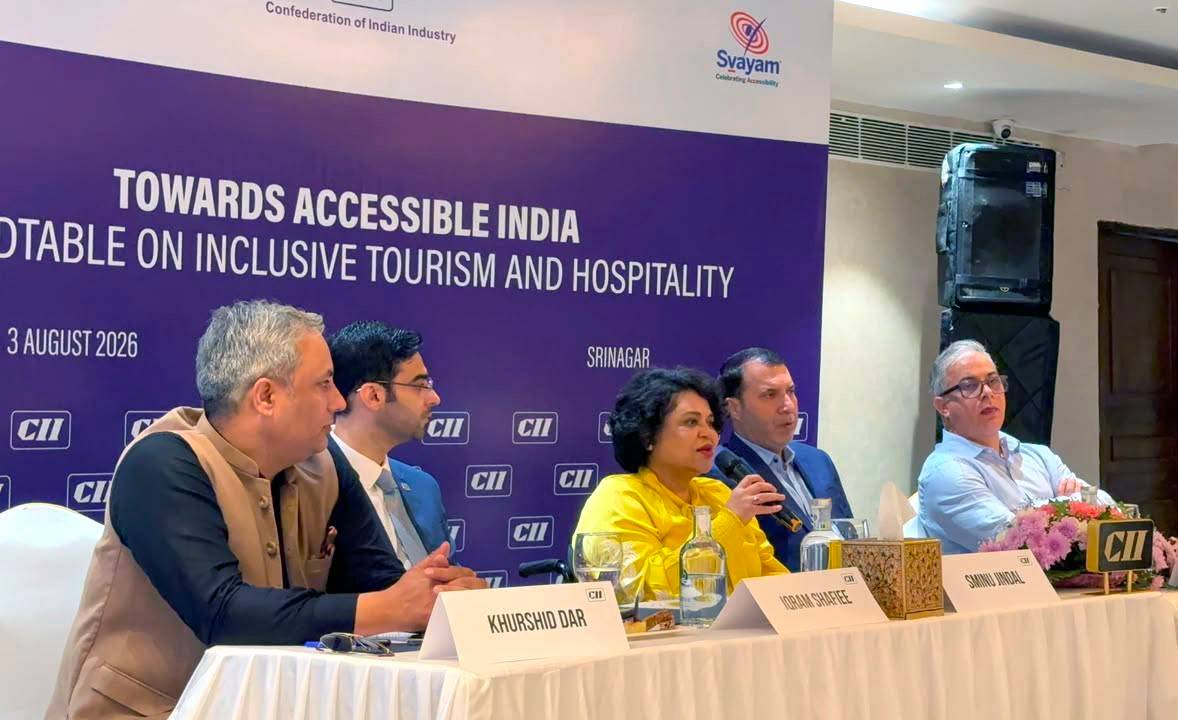
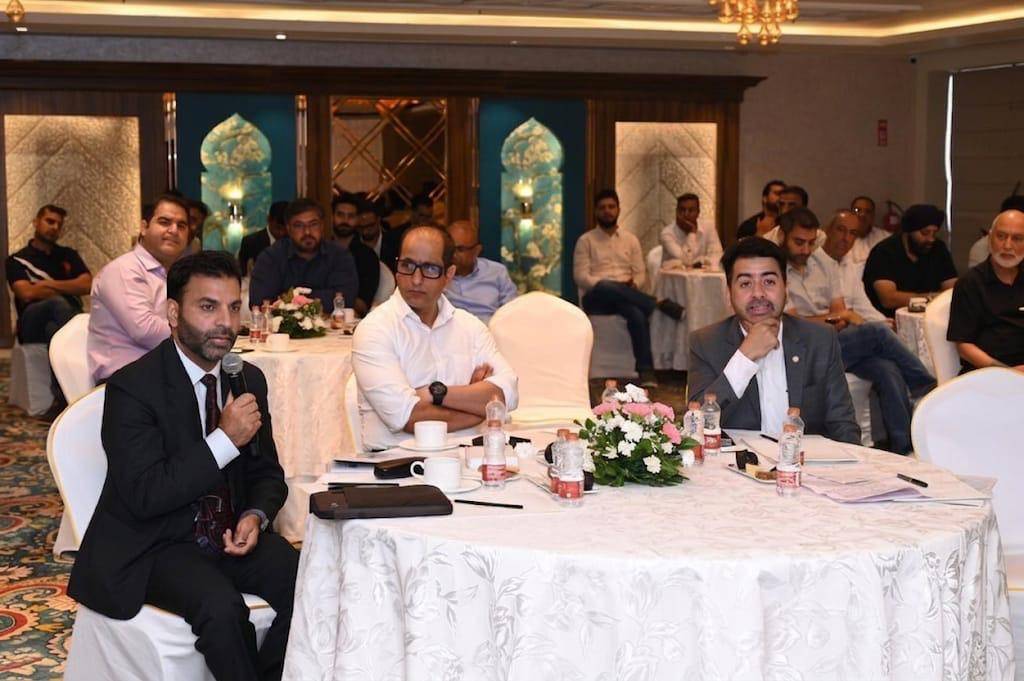
On 3 August 2026 at Taj Dal View, Srinagar, CII convened a Consultative Roundtable on Inclusive Tourism & Hospitality, under the Towards Accessible India initiative with the support of Svayam, chaired by Ms. Sminu Jindal.