
Imagine needing a wheelchair, but there isn't one available.
Imagine a child who needs additional support at school, but the school has no trained teacher.
Imagine a young person with a disability who wants to work, but there is no accessible workplace or suitable skill-training programme nearby.

Now imagine that these needs are not properly reflected in the data used to plan services.
This is what can happen when disability is undercounted.
Disability data may sound like a technical subject—numbers, categories, surveys and census forms. But behind every number is a person, a family and a life.
When people are missing from the data, their needs can become invisible.
It starts with healthcare
If we underestimate the number of people living with disabilities, we may also underestimate the need for accessible healthcare and rehabilitation.
There may be fewer rehabilitation professionals, fewer services and fewer resources than communities actually need.
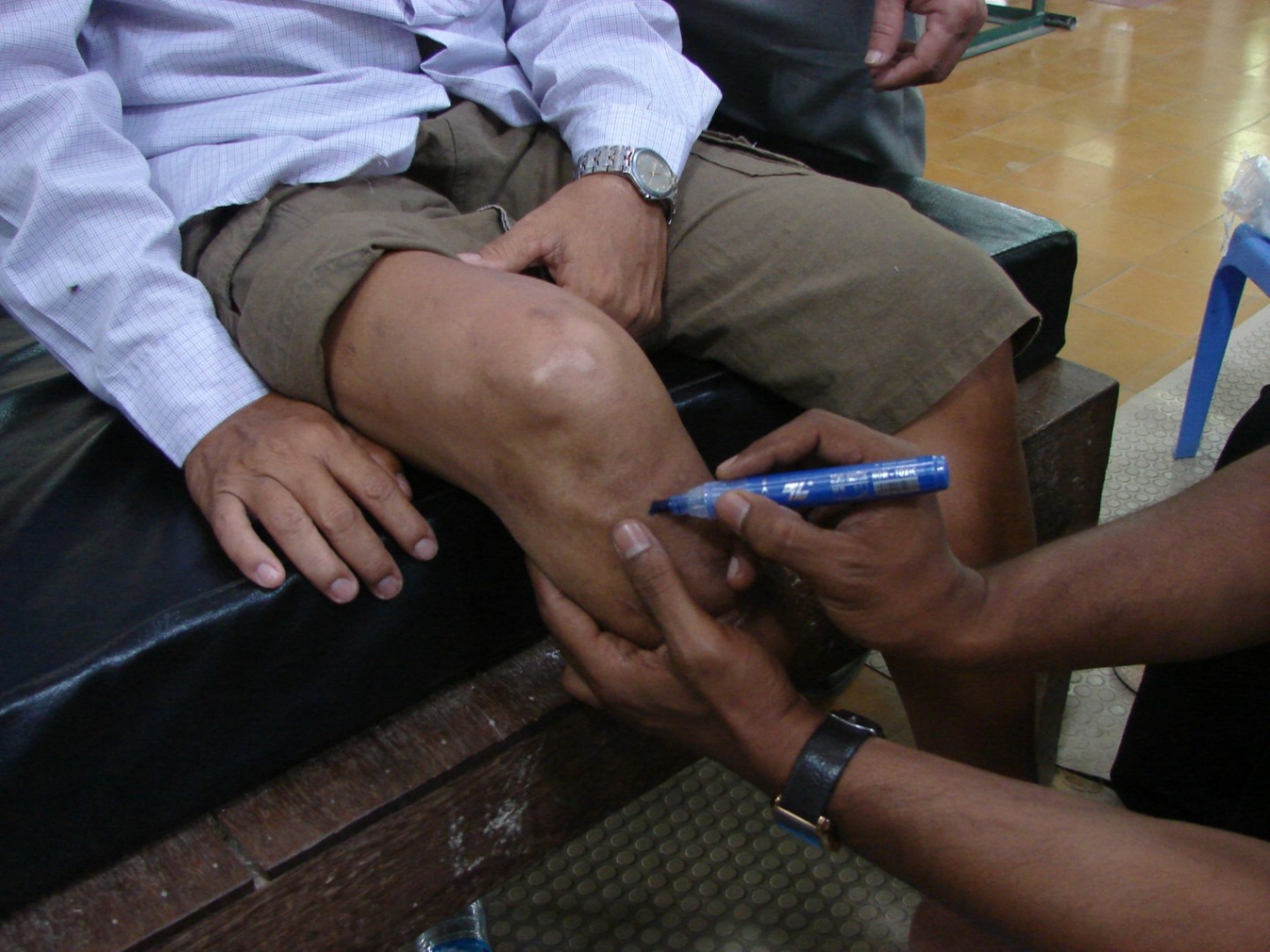
For someone recovering from a spinal cord injury, stroke or serious injury, a delay in rehabilitation can affect much more than physical recovery. It can affect independence, confidence, education, employment and family life.
Rehabilitation is not an optional extra. For many people, it is the bridge back to participation.
Then there is assistive technology
A wheelchair is not simply a piece of equipment.
A hearing aid can mean being able to participate in a conversation.
A prosthesis can mean returning to work.
A communication device can give a child a voice.
A white cane can make independent mobility possible.
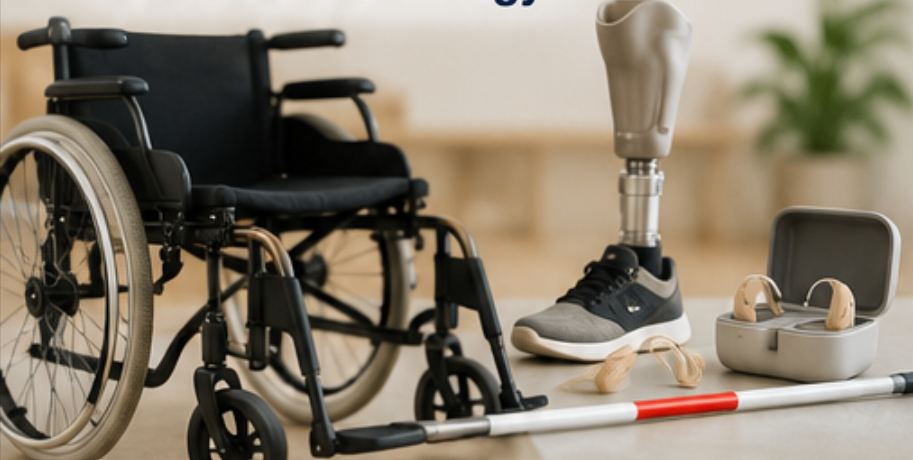
When disability is undercounted, the demand for these products can also be underestimated. That can mean fewer resources, longer waiting periods and greater inequalities—especially for people living in rural or economically disadvantaged communities.
Children can be particularly affected
Every child deserves the opportunity to learn. But inclusive education requires more than opening the school gate. It may require accessible classrooms, adapted learning materials, assistive technology, trained teachers, accessible toilets and reasonable accommodation.
If the number of children requiring these supports is not accurately understood, planning for them becomes difficult.
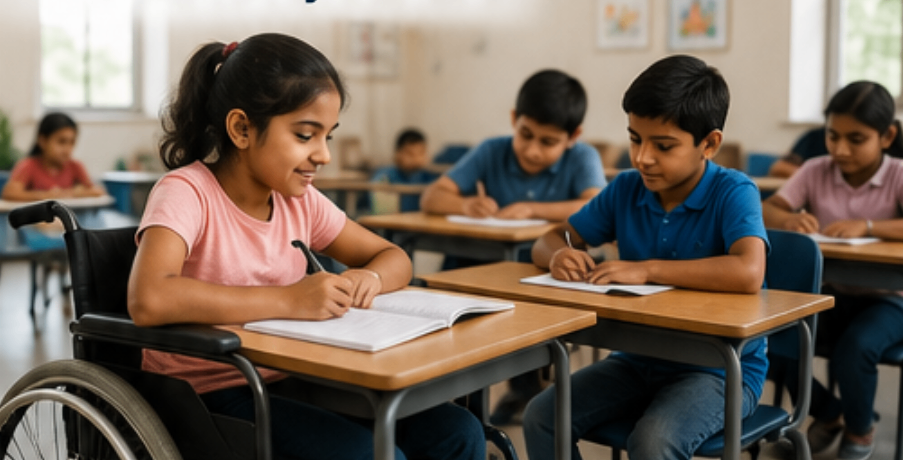
And behind every statistic is a child who simply wants the same opportunity as their classmates.
What about employment?
For many persons with disabilities, the goal is not to remain dependent on support.
It is to study, work, earn, contribute and live independently.
But if we don't know the true number of people with disabilities seeking employment, their skills, their locations and the barriers they face, employment programmes cannot be designed effectively.
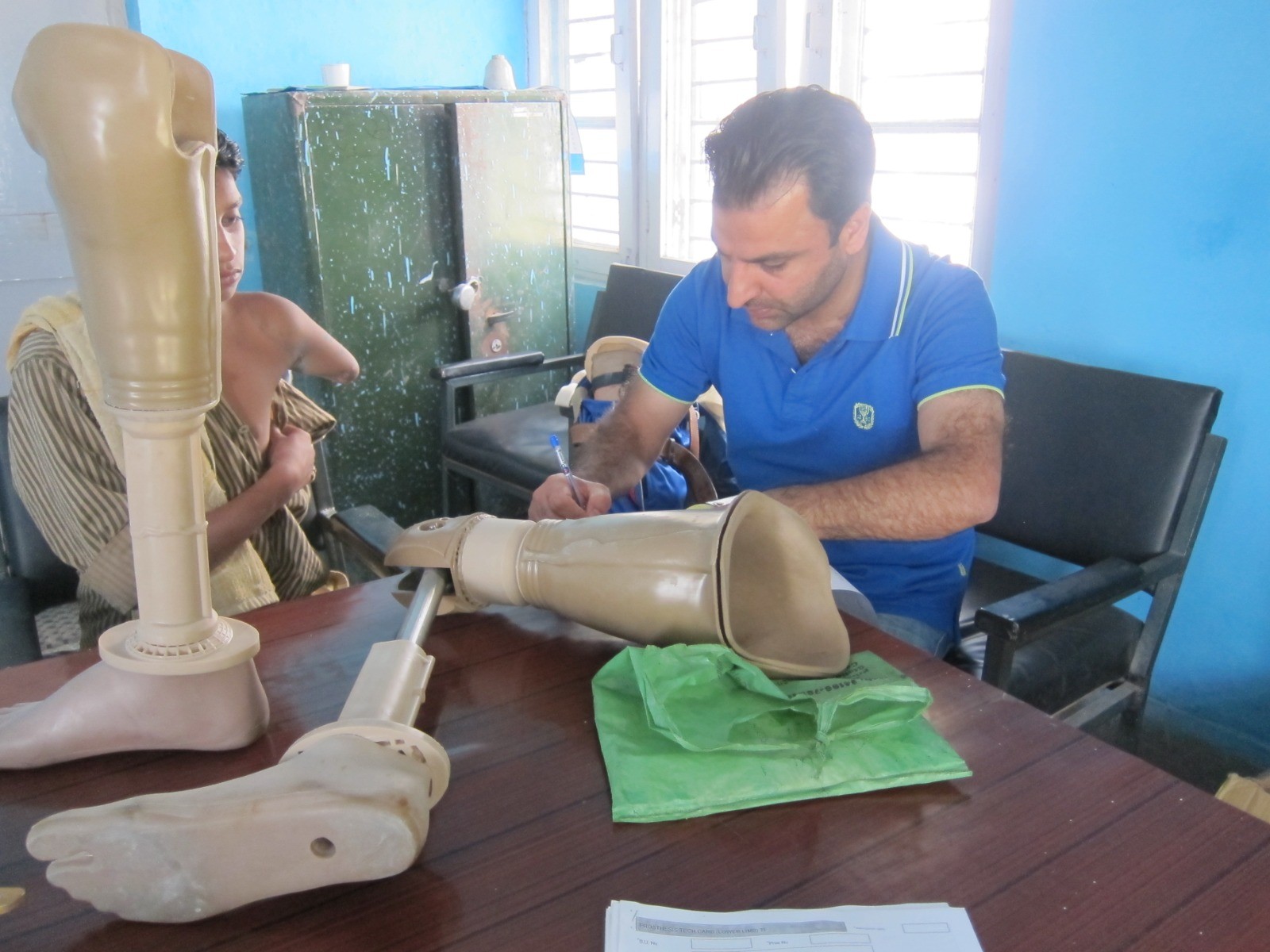
Training alone is not enough; Skills must lead to opportunities.
Accessibility can also suffer
We often think of accessibility in terms of ramps and accessible toilets—and these remain essential.
But accessibility is much broader.
It includes:
Public transport
Airports and railway stations
Healthcare facilities
Schools and universities
Workplaces
Websites and mobile applications
Government services
Information and communication
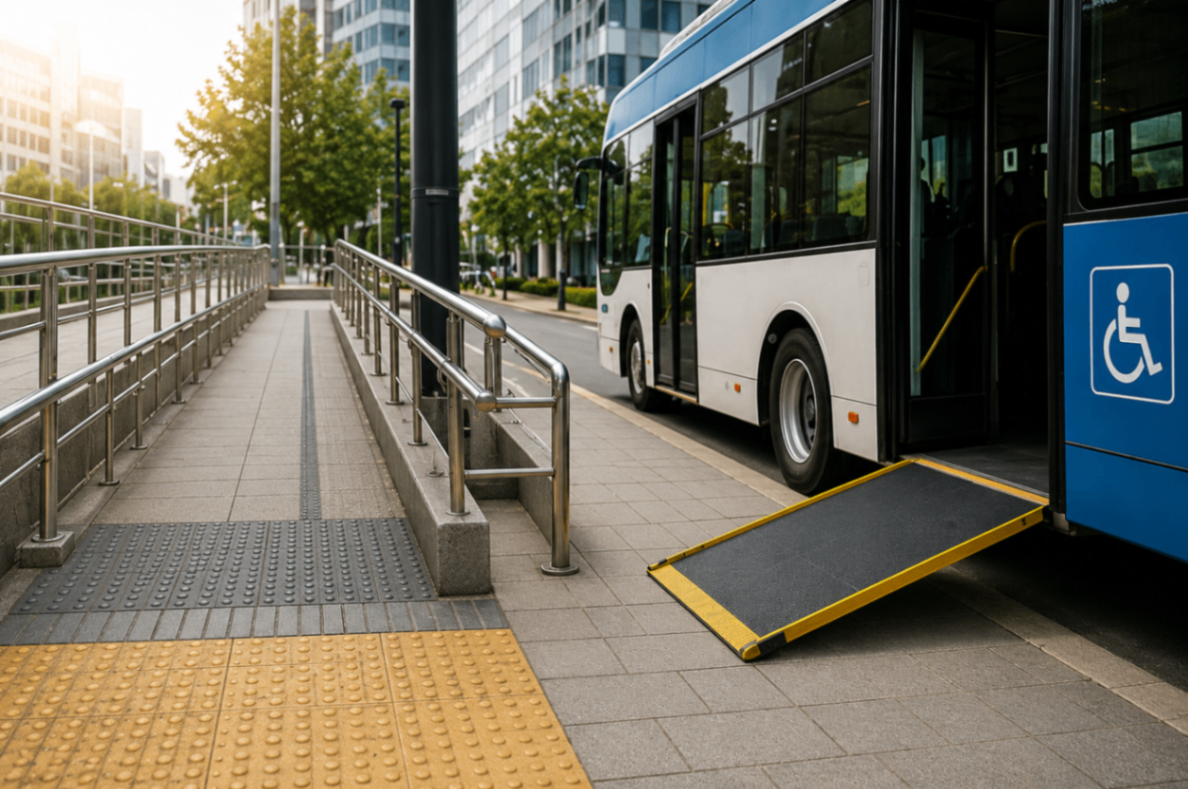
If the population requiring accessible services is underestimated, accessibility may remain an afterthought rather than becoming part of planning from the beginning.
And ultimately, budgets follow data
Governments and organisations use data to decide where resources are needed and how much investment is required. If disability is undercounted, the estimated need may appear smaller than it really is.
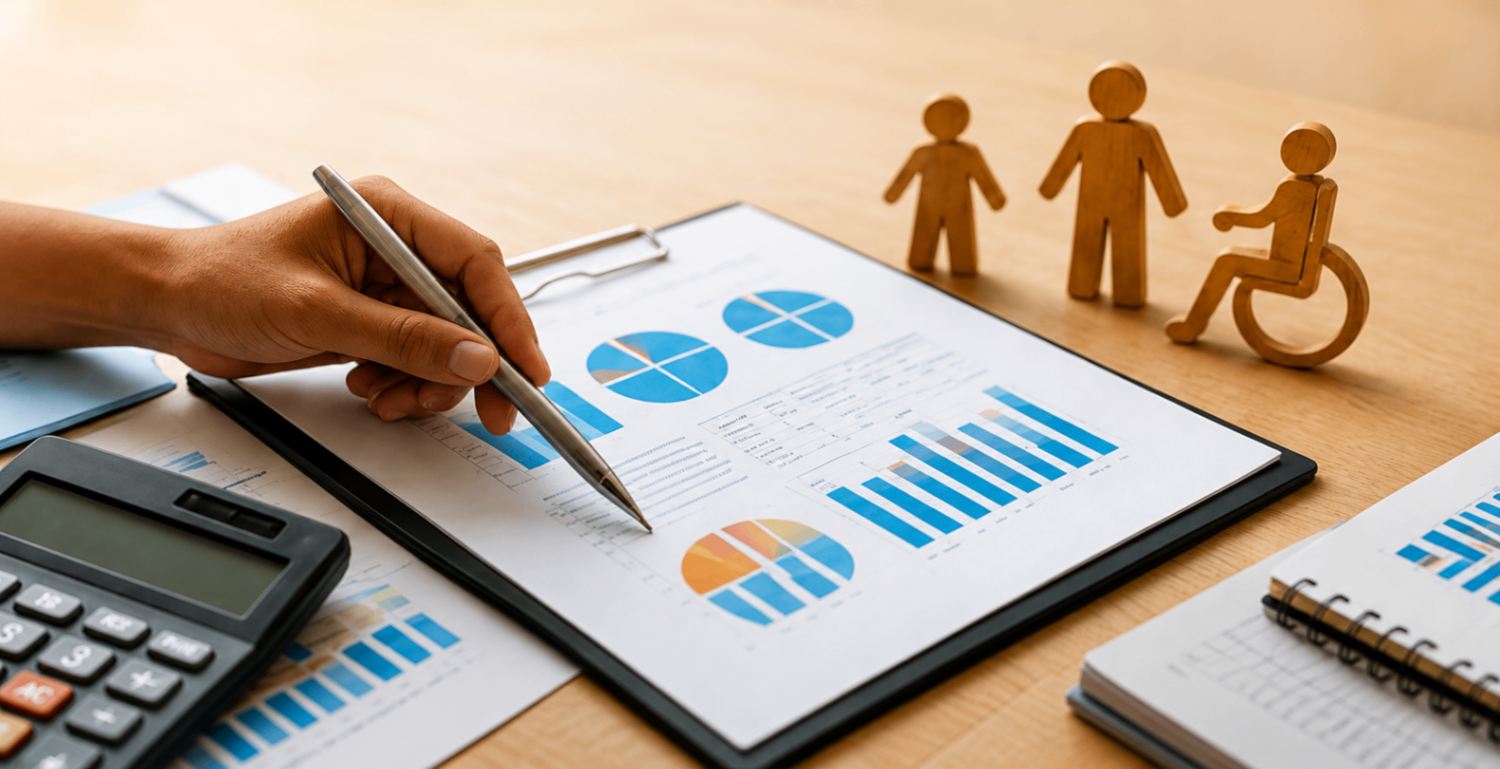
And when the estimated need is smaller, the allocation of resources can also be smaller.
Undercounting can therefore become underinvestment.
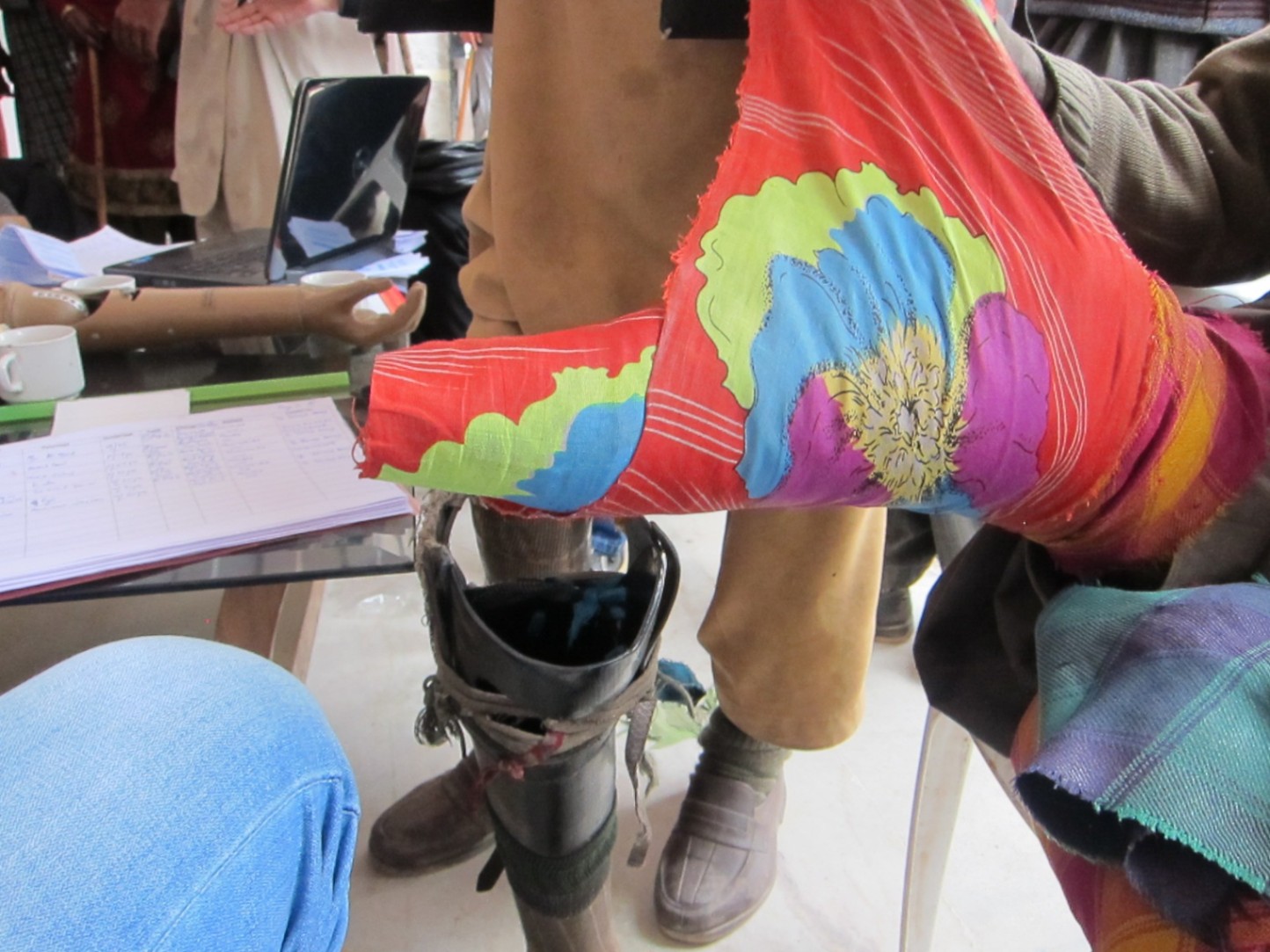
But people are more than numbers
At the same time, we must be careful not to reduce people with disabilities to statistics.
Good disability data should not simply tell us how many people have a disability.
It should help us understand:
Where are they?
What barriers do they face?
What support do they need?
Are services reaching them?
Are they participating in education and employment?
Are they living independently?
That is the kind of data that can lead to meaningful change.
Counting is the beginning—not the end
Accurate disability data cannot solve every problem. But without accurate and meaningful data, many problems remain difficult to see.
And what we cannot see, we struggle to plan for.
What we do not plan for, we often fail to fund.
And what we fail to fund, can leave people behind.
At REHABNATION Healthcare Foundation of India, we believe inclusion begins with recognising people, understanding their needs and creating systems that enable them to participate fully in society.
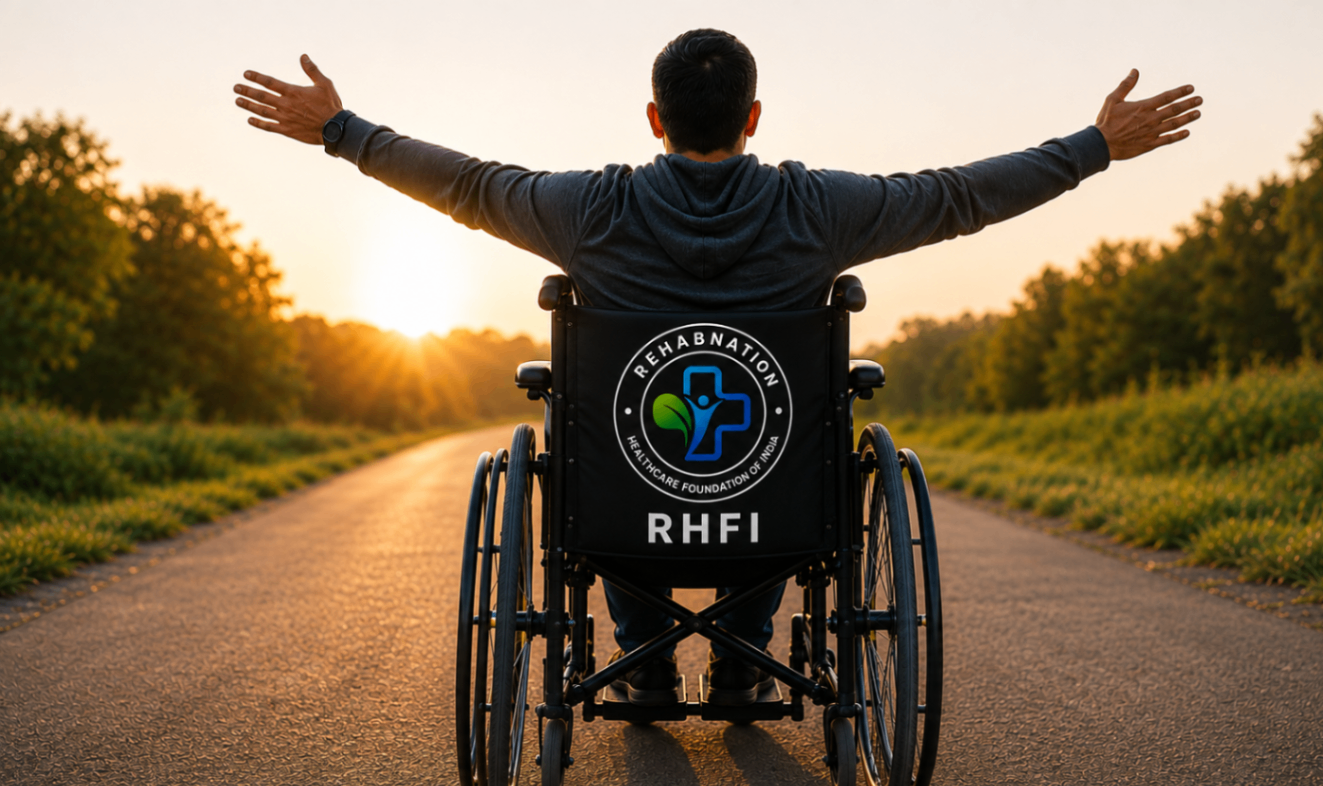
Every person matters. Every voice matters. Every life should count. Because ultimately, disability data is not really about numbers. It is about making sure no one becomes invisible.